Varen er på fjernlager, leveringstiden er 4-6 hverdager. Mere info
Frakt 75,00 - Bring - Hentes på Posten.
Se alle alternativer
Bring - Hentes på Posten
75,00
Bring - Fleksibel hjemlevering - Levering til døren (om kvelden i større byer)
199,00
NOK
267,00
eksklusiv MVA 213,60
Totalt inkl. frakt
342,00
Denne funksjonen krever at man er logget inn. Opprett en bruker og liste systemet for å holde styr på fremtidige kjøp eller ønskelister. Opprett bruker Login
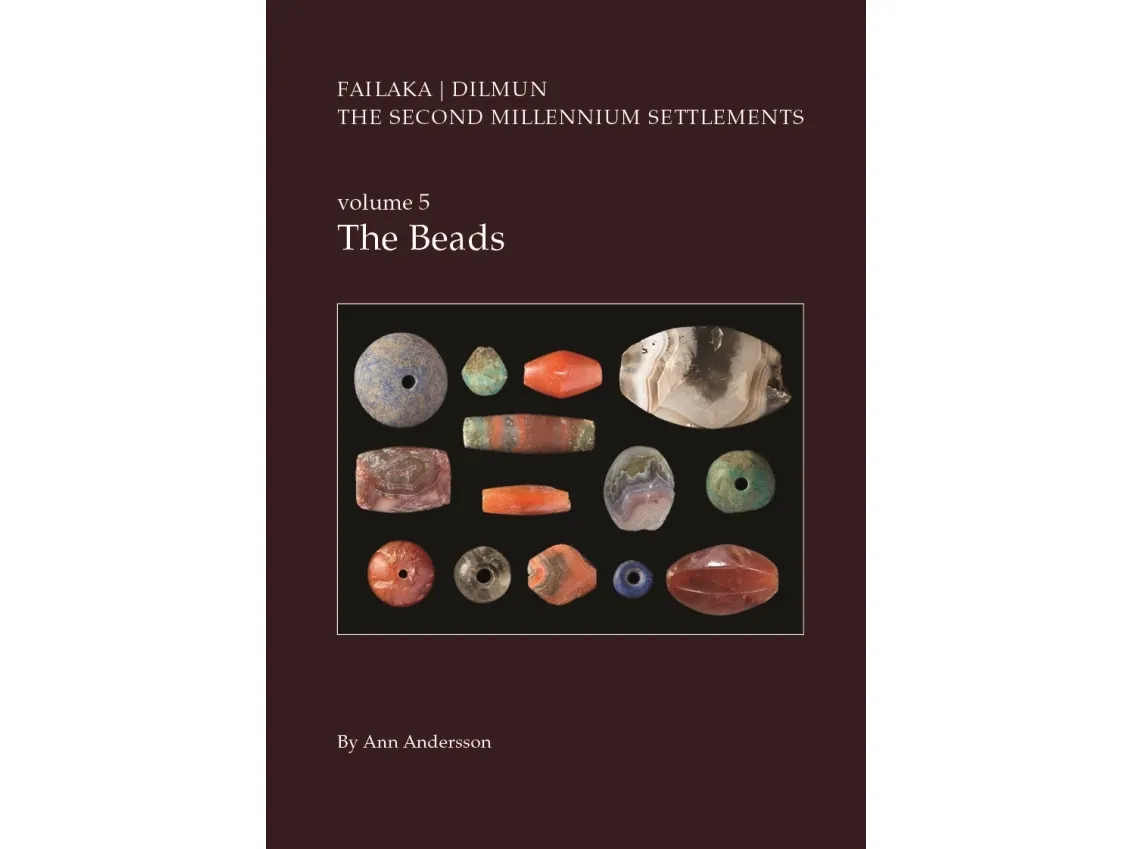
Excavations in 1958-1963 on the island of Failaka in Kuwait uncovered a small community of Dilmun traders from the second millennium BC. Prominent among the finds were 629 beads, most of them made of semi-precious stone, such as different varieties of chalcedony (agate, carnelian, jasper, and moss agate) and quartz (rock crystal, milky quartz, and smoky quartz), and a range of other stone types, such as calcite, chlorite, lapis lazuli, turquoise and porphyry. Additionally, part of the beads was made of glass: a new prestige material of the second millennium. The study consists of a typology, a classification of materials and an analysis of the dating and distribution of the beads. Manufacturing techniques, including perforation and use-wear, are also considered. In a final discussion, the bead corpus from Failaka is compared with similar material from contemporary sites on Failaka and in Bahrain, along with some thoughts on connections and trade relations, which may be inferred from the materials and forms in the bead assemblage. The study proposes far-reaching connections with the Indus in the east and the Aegean in the west.
Undertitel
Volume 5 The Beads
Forfatter
Ann Anderson
Sprog
Engelsk
Sideantal
112
Indbinding
Hæftet
Udgave
1
Serie
Jysk Arkæologisk Selskabs Skrifter (17:5)
Forlag
Aarhus Universitetsforlag
Tema gruppe(r)
Arkæologi
ISBN10
8793423721
ISBN13
9788793423725
Produktet har følgende varenummer i vårt system:
EAN:
9788793423725
SKU:
9788793423725
Hvorfor oplever jeg at den umiddelbart samme vare findes på forskellige varenumre?
Producenterne udgiver ofte den samme vare med forskellige varenumre, typisk handler det udelukkende om forskellige versioner af emballagen. Eksempelvis kan emballagen være målrettet forskellige lande.
Vi forsøger bedst muligt at samle varerne, men det kan opleves at den samme vare figurerer på forskellige varenumre i vores system.